- 1890
From Fortress to Cultural Center
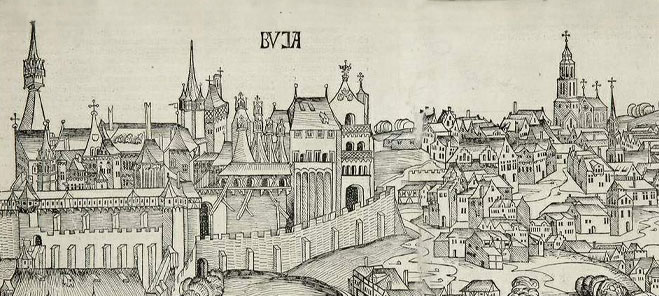
For centuries, a section of the Buda Castle wall stood on the site of today's Fisherman's Bastion, which served to defend the city and primarily fulfilled military purposes from the Middle Ages until the 19th century. The castle's role as a fortress gradually diminished over the century: in 1874, it officially lost its military function, and the civilian transformation of the area began. The Castle District then started to function as an urban and cultural space, with promenades, viewpoints, and prominent urban developments emerging. This shift in perspective laid the foundation for the later construction of the Fisherman's Bastion.
I
- 1890
1890 - 1945
Construction of the Fisherman's Bastion
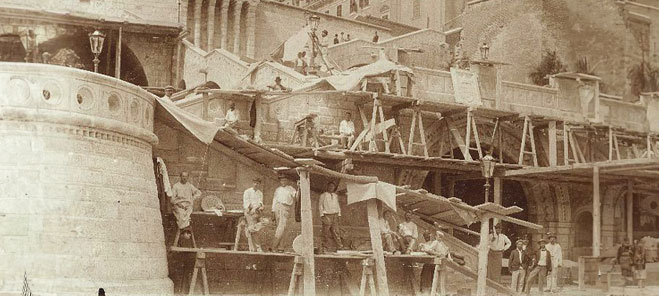
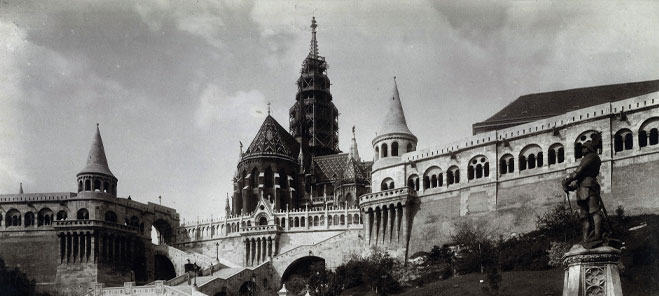
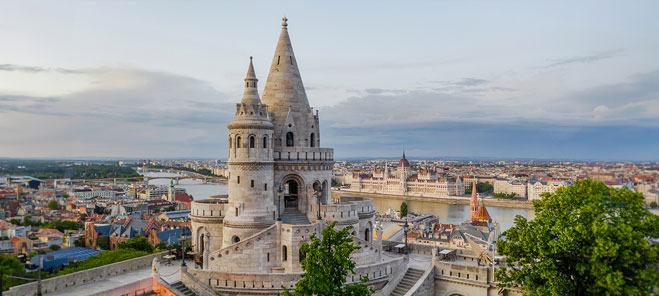
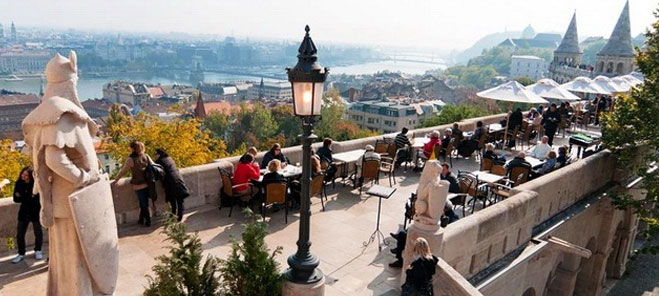
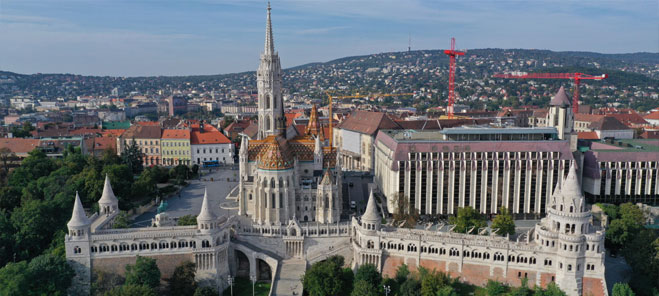
At the end of the 19th century, the construction of the Fisherman's Bastion in Neo-Romanesque style began based on the plans of Frigyes Schulek. Construction started in the 1890s, the main structural elements were completed by the turn of the century, and then in 1905, it was ceremoniously opened to the public. The bastion evokes the atmosphere of medieval castles, but from the outset, it served as a viewpoint and promenade, not a defensive structure. It was also at this time that Alajos Stróbl's statue of Saint Stephen was placed there, becoming a central element of the architectural complex.
II
1890 - 1945
1945 - 1987
Destruction and Rebirth
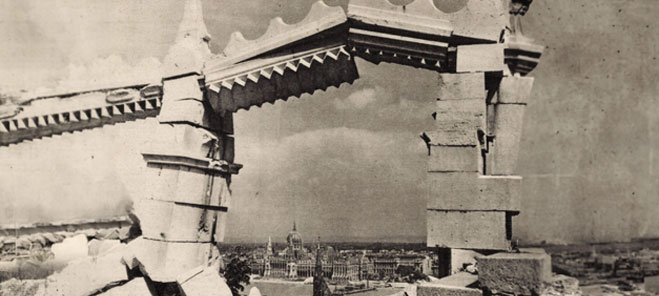
During World War II, the building suffered severe damage, and then it was restored in several phases until 1987. János Schulek, the son of the architect, directed the reconstruction, the main phase of which concluded in the 1950s. In the 1980s, further renovations began, including the cleaning of stone surfaces and structural reinforcement. Thanks to these efforts, the Fisherman's Bastion once again became one of Budapest's most visited attractions. In 1987, it was declared a UNESCO World Heritage site along with the Buda Castle District.
III
1945 - 1987
1987 - 2006
Period of Renewal
The local government and heritage protection continued maintenance and restoration in several phases. The bastion walls, staircases, and the area around the church were renewed. By the turn of the millennium, the Fisherman's Bastion had become not only a historical monument but also an active part of the city's cultural life.
IV
1987 - 2006
2007
Restaurant Plans
The Buda Castle Municipality issued a tender for the renovation and repurposing of the northern section of the Fisherman's Bastion. The winner was Magyar Halászbástya Étteremüzemeltető Kft., which signed the contract with the municipality that same year. The goal was to create a modern, elegant dining venue while preserving the monument's historical value, thus infusing the historic building with new functions and life.
V
2007
2010
Fisherman's Bastion Restaurant
This marked the completion of the project and the handover of the renewed Fisherman's Bastion. Following a long permitting process, the renovated northern section and the Híradás Tower officially opened on September 23rd, covering an area of approximately 1,800 square meters. With this, the building entered a new era: it remained one of the city's most beautiful panoramic viewpoints while also becoming a cultural and gastronomic center.
VI
2010
2021 -
Fisherman's Bastion Today
Further developments have taken place: online ticket purchasing was introduced, the visitor system was modernized, and the upper viewing level was made free of charge periodically. Thus, the Fisherman's Bastion remains a living symbol of Budapest's history, where the legacy of the past and the experiences of the present meet.
VII
2021 -